Press Kit
Background information, bios, suggested interview questions, and media assets for The Quantified Soul and its author, James Croall.
Bio
BYLINE BIO
James Croall is a neurotherapist, systems thinker, and author of The Quantified Soul. His work explores the structure of mind at the intersection of neuroscience, mathematics, and meaning.
BROADCAST BIO
James Croall is a San Francisco-based neurotherapist, QEEG technologist, and author of The Quantified Soul. After thirty years in high-stakes technology — specializing in cybersecurity and complex systems — he turned toward neuroscience and neurotherapy, working directly with measurable patterns of thought, attention, and emotion. His book argues that inner life has structure, and that coherence is something observable, not just aspirational.
The Quantified Soul: A Revolution in Science and Spirit
FULL BIO
James Croall is a neurotherapist, systems thinker, and former Silicon Valley engineer whose work explores the structure of mind at the intersection of neuroscience, mathematics, and meaning. For thirty years, he worked in high-stakes technology, specializing in computer security and complex systems — tracing invisible problems back to their source and designing systems capable of restoring coherence under pressure.
Beginning in his mid-twenties, James undertook a parallel inquiry into consciousness, philosophy, and the nature of thought. That investigation gradually became a sustained engagement with rationalist metaphysics and the philosophical foundations of mind. The convergence became concrete when he turned toward neuroscience, training as a certified QEEG technologist and neurotherapy practitioner — working directly with brain data, mapping patterns of attention, emotion, and regulation through quantitative EEG, neurofeedback, and neuromodulation.
Today, James runs Peak Mind Neurotherapy in San Francisco, where he helps clients restore cognitive balance and emotional coherence through data-driven brain training. The Quantified Soul emerged from the synthesis of these worlds: decades of systems thinking and long-form philosophical study alongside hands-on clinical neuroscience. The book argues that the soul is not a metaphor but a structure — one that can be reasoned about, observed indirectly, and developed through coherence.
Books
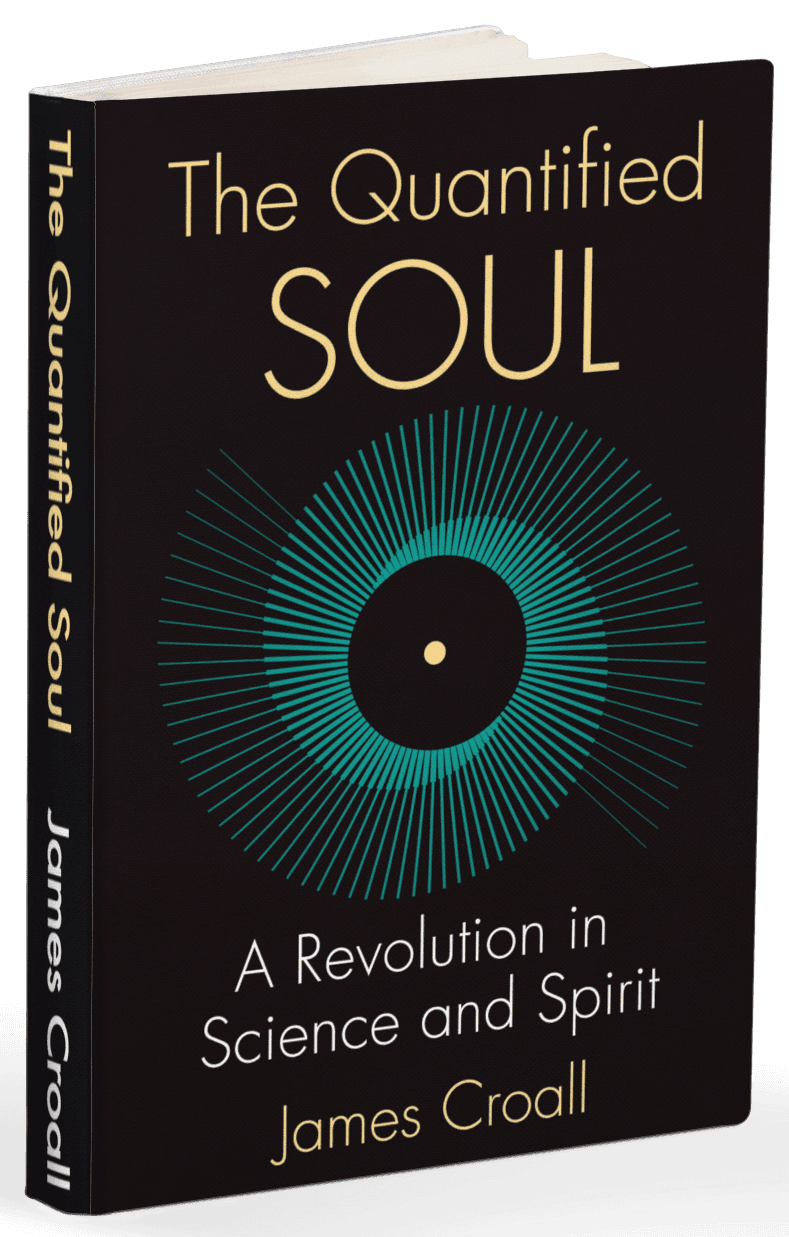
The Quantified Soul: A Revolution in Science and Spirit
Coming 2026 · Nonfiction — neuroscience, philosophy of mind, systems thinking
The Quantified Soul explores whether inner life can be understood — and studied — structurally. Drawing on neuroscience, psychology, mathematics, and systems thinking, the book examines coherence: how inner systems hold together, how they fragment, and why that matters at personal, social, and civic scales. The work approaches these questions carefully, with an emphasis on testability, lived experience, and intellectual honesty rather than ideology or belief.
VIDEO PREVIEW
Appearances
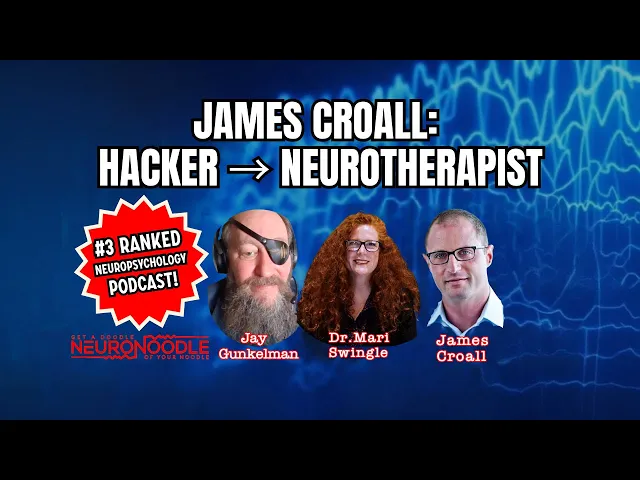
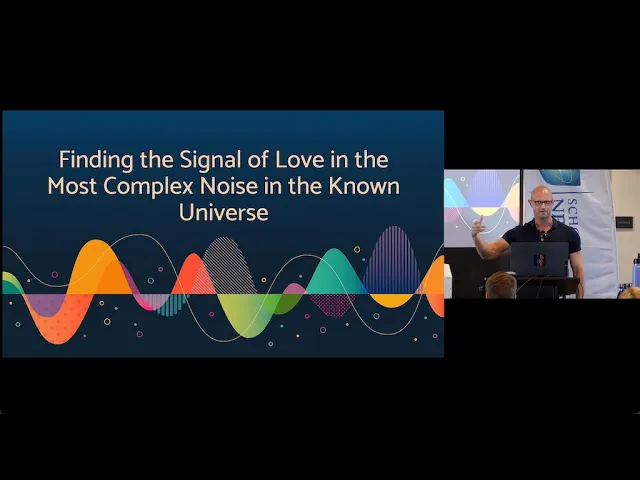
James Croall: Hacker to Neurotherapist on Psyche Patterns
NeuroNoodle · with Jay Gunkelman, QEEG-D & Dr. Mari Swingle · 2026
Suggested Interview Questions
You argue the soul has structure. What does that actually mean — and how is it different from what most people think of when they hear the word "soul"?
Your background is in cybersecurity and complex systems, not philosophy or spirituality. How did you end up writing a book about the structure of consciousness
What is coherence, as you use the term? And why does it matter whether inner life is coherent or fragmented?
You work as a neurotherapist and map brain activity with QEEG. What does brain data actually show us about how people think and feel — and what are its limits?
The book draws on neuroscience, mathematics, Jungian psychology, and systems theory. How do those fit together without becoming a theory of everything?
You describe a neurofeedback session that triggered what you call an abreaction — a sudden eruption of buried memory and emotion. Can you walk us through what happened and what it revealed?
The book is explicitly not self-help. Why was it important to you to make that distinction
You write about the difference between syntax and semantics — the structure of thought versus the content of thought. Why does that distinction matter practically?
What role does neurotherapy play in the larger argument of the book? Is it treatment, or something more?
If someone finishes The Quantified Soul and wants to explore these ideas further, where do you point them?
Images
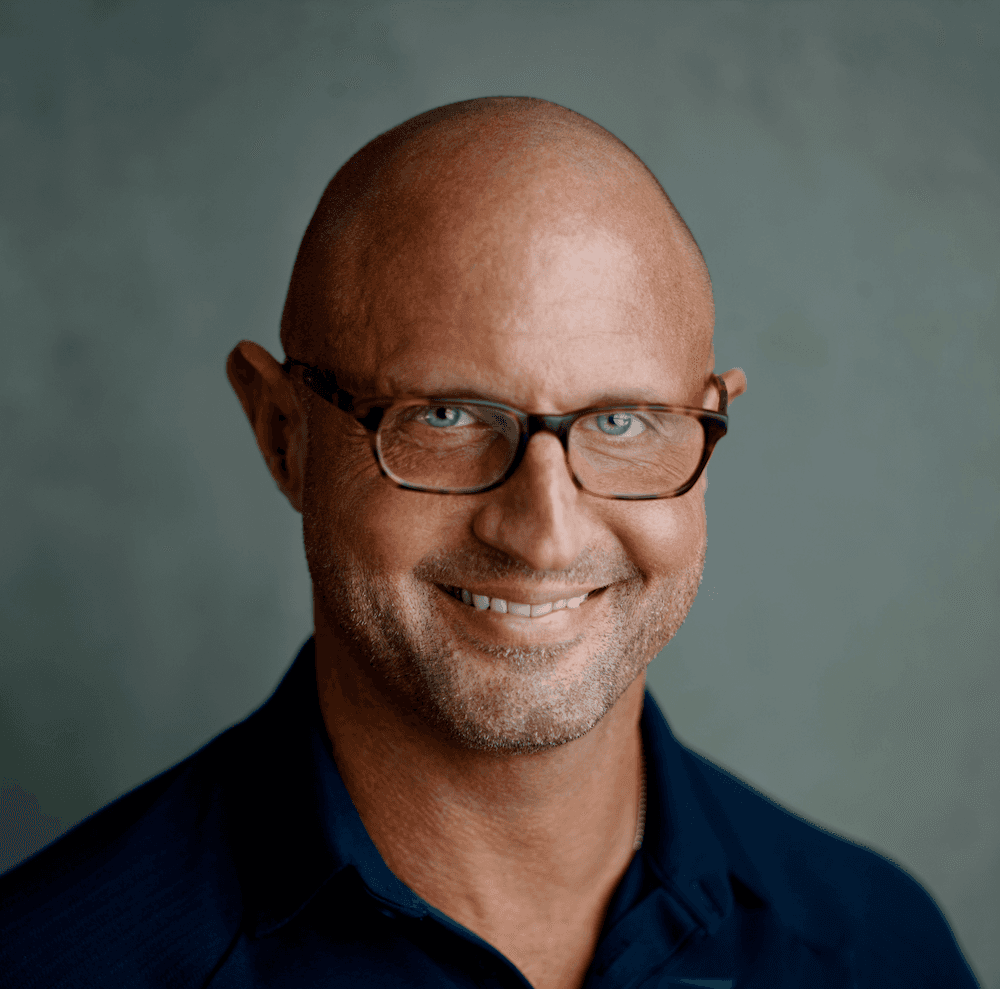
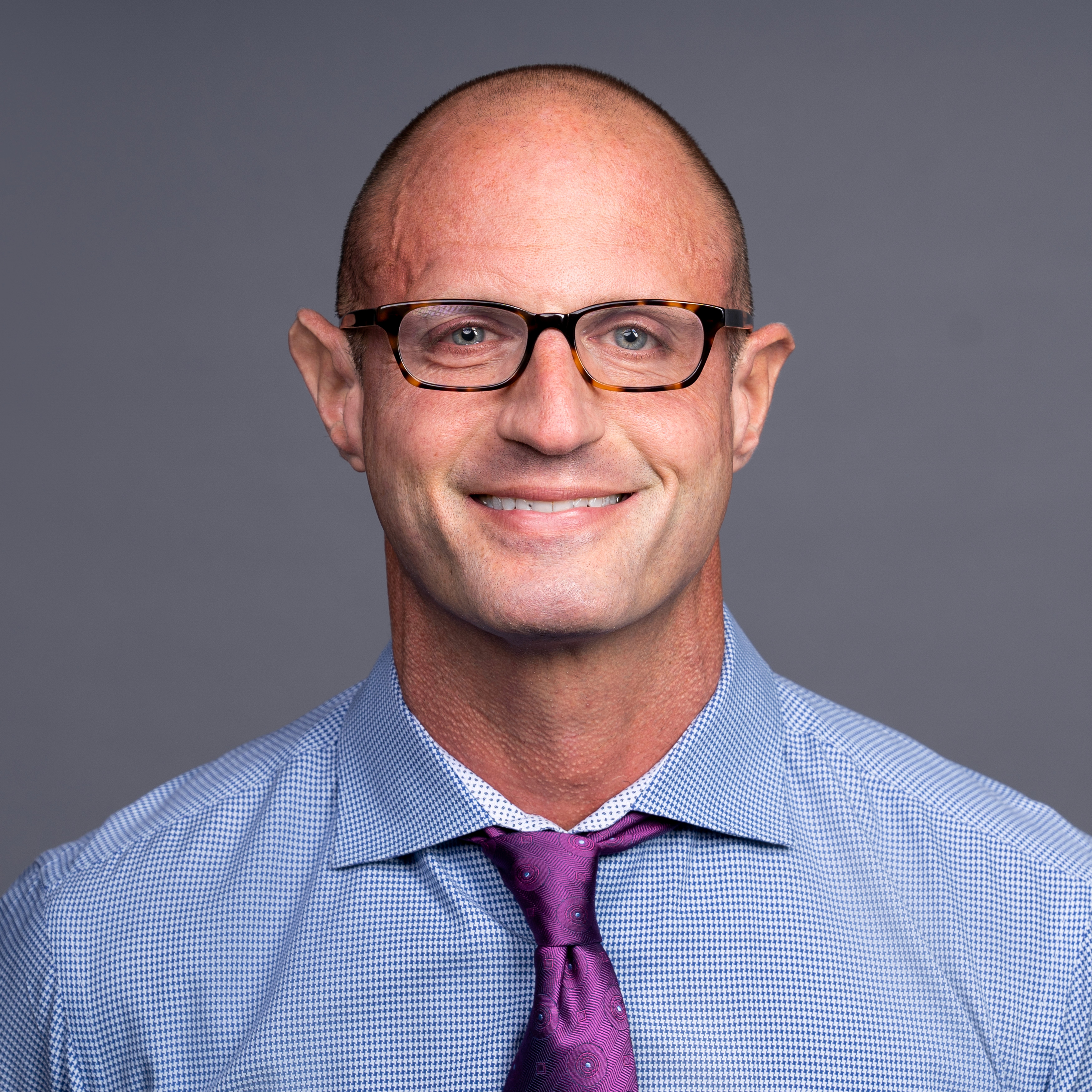
Author headshots and book cover images for media use. Right-click to save, or contact for high-resolution versions.

Contact
For interview inquiries, review copies, or press-related questions:
DOWNLOADS
© 2026 James Croall. All rights reserved.